Triangle Real Estate Search
Address Search
Multigenerational Homes for Sale: Multi-Gen Living (Raleigh, NC)
Are you searching for a multigenerational home in the Triangle (Raleigh-Durham-Chapel Hill) area? You're not alone. Multi generation family homes are becoming an increasingly popular choice for those seeking affordable housing solutions while strengthening family bonds.
As housing costs continue to rise, many families are discovering that multigenerational living makes financial sense, can enhance family relationships, and provides built-in support systems.
What is a Multi-generational Home?
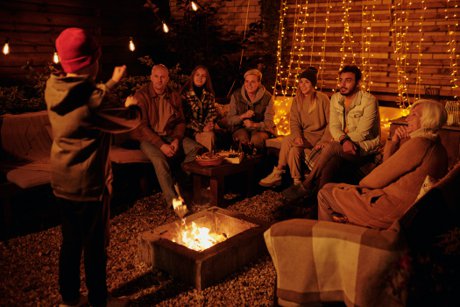
A multi-generational home is designed to house two or more generations under one roof, creating a household that includes some combination of grandparents, parents, and children. Ideally, these generational homes feature separate living spaces that provide privacy while maintaining shared common areas, allowing extended family members to live independently yet together.
This long-term arrangement has become particularly appealing to families across various income groups seeking practical housing solutions. And it’s not new. Before World War II multi-generational living was fairly common in the U.S.
Primary Benefits of Multigenerational Living
In today's expensive housing market, families are discovering innovative ways to combat rising costs while strengthening family bonds. Multigenerational living can offer numerous advantages that extend far beyond financial benefits, creating a supportive environment for all family members.
Benefits of Pooled Finances
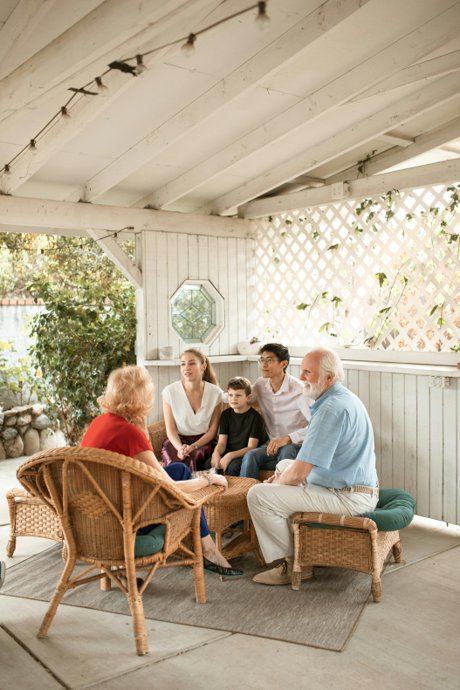
Shared responsibility for household expenses can make a significant difference. Families can better navigate housing costs and achieve greater financial stability by combining multiple incomes.
Lower-income adults and temporarily unemployed family members can maintain their standard of living while contributing what they can. Reduced living costs allow families to redirect savings toward important goals like education funds, retirement accounts, or even purchasing a vacation home.
For many families, built-in childcare and eldercare are most valuable, bridging the financial and emotional support aspects of family life.

Enhanced Family Emotional & Social Support System
Multigenerational living creates an invaluable support network that benefits every family member. Grandparents develop deeper connections with grandchildren through daily interactions, sharing wisdom, and creating lasting memories. Built-in childcare and elder care options decrease the cost of care for both children and older adults significantly. .
Health and Well-being Benefits
Research supports the positive health impacts of multigenerational living arrangements. According to a National Institutes of Health survey, families living in multigenerational households tend to have lower premature mortality rates. Beyond physical health, this living arrangement helps combat loneliness and isolation through constant social interaction and emotional support.
Challenges of Multigenerational Living
Yes, there are challenges! While multigenerational living offers many benefits, it's important to acknowledge that this living arrangement requires careful planning and open communication. Here are a few common challenges to consider.
Space and Privacy Challenges
Living with multiple generations under one roof can create unique space management challenges. Limited bathrooms can complicate morning routines, leading to potential scheduling conflicts.
Personal space becomes premium real estate, with family members needing private areas to decompress and maintain individual boundaries.
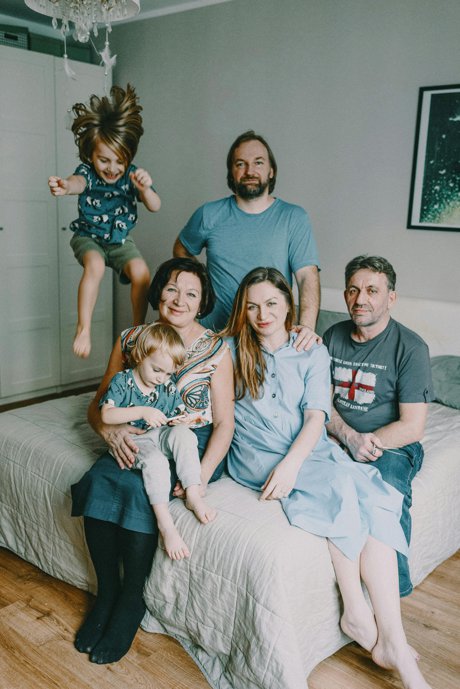
One solution is to look for convertible spaces that offer a smart solution to changing space needs. A room that serves as a home office today could become a ground-floor bedroom for aging parents tomorrow, or a playroom could transform into a teen's study area as children grow. This flexibility helps families adapt their space without costly renovations.
Common areas require thoughtful planning for multiple activities and preferences. Consider creating separate zones - a media area for TV watching, a quiet reading nook with good lighting, and a hobby space for crafts or games.
Converting a garage or basement into a secondary family room can provide extra gathering space. Installing sound-dampening materials or room dividers can help multiple activities coexist peacefully.
Smart space planning, clear boundaries, and designated quiet hours help prevent overcrowding issues and maintain harmony.
Cultural & Generational Differences
Managing multiple family roles within different generations brings both richness and complexity to daily life. While sharing family traditions and cultural practices can strengthen bonds, divergent values and beliefs may lead to disagreements between generations.
Each generation typically has its own communication style and expectations, which can create misunderstandings. Everyone may not be comfortable texting or having direct and frank conversations, so it's important to develop inclusive communication strategies.

Establish clear problem-solving guidelines that respect everyone's perspectives while maintaining family harmony.
Impact on Daily Living and Routines
The freedom to branch out and maintain individual lifestyles becomes more complex in a multigenerational household. How do night owls get along with early risers? Coordinating schedules requires extensive planning and flexibility, especially when managing work, school, and social commitments.
Daily living includes managing shared responsibilities and requires clear communication and fair distribution. Families must establish systems for dividing household tasks like cooking, cleaning, and shopping that account for each member's capabilities, schedules, and preferences.

Best Home Features for Multigenerational Living
Flexible floor plans are crucial for adapting to your family's changing needs over time. Look for homes with convertible spaces that can transition from a home office to a bedroom or from a playroom to a sitting area as family dynamics evolve.
Private living quarters, especially those with separate entrances like a mother-in-law suite, help promote independence while maintaining connection with family. These spaces provide the perfect balance of togetherness and privacy.
Accessibility features should be a top priority. Wider doorways, minimal steps, and strategically placed grab bars make the home safer and more comfortable for elderly family members or those with mobility challenges.
Consider working with an architect to design a custom home for the perfect fit. Start by buying your own land and then creating a space that perfectly suits your family's needs. Many new home builders these days offer floor plans that can be easily used for multigenerational living. If you prefer a more immediate solution, purchasing a new construction home allows you to customize features during the building process.
Multigenerational Homes for Sale in the Triangle NC Area
Ready to explore multigenerational homes in the Triangle? Our area offers diverse options to accommodate your extended family's needs, from custom-built homes with private in-law suites to spacious properties with convertible living spaces.
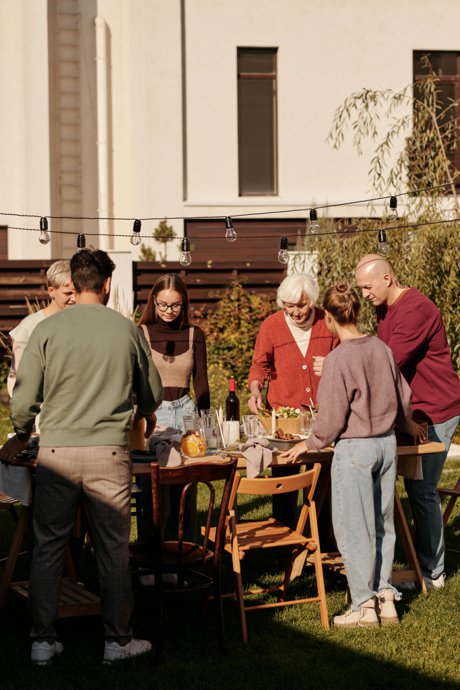
Browse our carefully curated listings below to find the perfect multigenerational home that brings your family together while respecting everyone's independence needs. Contact us today, and let us help you find the ideal space where your family can thrive together