Triangle Real Estate Search
Address Search
House Touring 101: What to Know, Look For & 30 Top Questions to Ask
Buying a home is one of the most significant purchases you'll ever make, so gathering as much information as possible on each tour makes sense. Whether you're a first-time buyer or an experienced investor, the guidelines below will enhance your house-hunting experience.
Understanding the implications of the National Association of Realtors (NAR) settlement is crucial as it directly impacts the compensation structure for buyers’ agents. This knowledge can influence your home-buying decisions, so we've provided a comprehensive overview below.
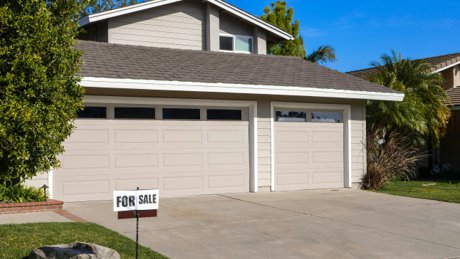
How to Tour a House: Open House vs. Private House Showing
If you find a house or houses you're interested in, there are two primary options to see them: a private house tour or an open house. While both offer opportunities to view properties, they differ significantly in their personalization and effectiveness.
Private tours with a buyer's agent offer a unique and exclusive experience tailored solely to your needs and preferences. You are not just another visitor in a crowded open house but the focus of attention.
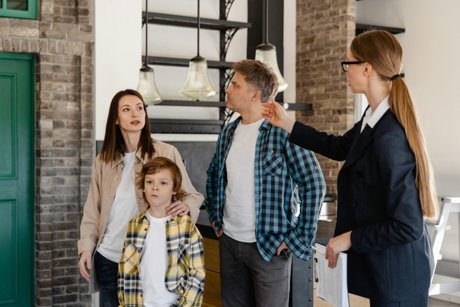
You can ask questions freely, explore every corner of the property, and receive expert guidance throughout the process. The one-on-one attention during a private tour allows for a deeper understanding of the property, leading to a more informed decision and greater likelihood of finding your dream home.
Why Use a Buyer’s Agent
A buyer's agent plays a pivotal role in the home-buying process. They are real estate professionals who advocate for the buyer's interests, provide valuable services, and ensure a fair and smooth transaction. Understanding their role can significantly enhance your home-buying experience. Expect a good buyer’s agent to help with these types of tasks:
- Budget Setting Assistance: Helps buyers set a realistic budget based on your financial situation, preferences, and market conditions.
- Expert Guidance: Uses their extensive local real estate market knowledge to provide valuable insights into neighborhoods, property values, and market trends.
- Access to Listings: Have access to a wide range of listings, including properties that may not be publicly available.
- Negotiation Skills: Skilled negotiators who can advocate for you and help them secure the best possible deal on a property.
- Assistance with Paperwork: Guides you through the process, ensuring that all documents are completed accurately and on time.
- Less Obvious Concerns: Pointing out things to look out for with homes such as potential foundation damage or an old roof.
Perhaps most importantly, a buyer's agent is not just a professional partner but an advocate for the buyer's interests throughout the transaction. We are not just there to guide you but to work tirelessly to ensure that you receive fair treatment in all aspects of the home-buying process.
With a buyer's agent by your side, you can confidently navigate the complex real estate market, knowing that you are in good hands.
A Buyer's Guide: House Tour Checklist
Preparing to tour houses for sale is a crucial step in home buying, ensuring buyers approach each viewing clearly and purposefully. Buyers typically define their preferences before planning house tours, including desired types of residences, home types, neighborhoods, and budget constraints.
By preparing before each house tour, you can approach the viewing with a clear and purposeful mindset, making the process less daunting and more manageable.
Here are the next steps to help you prepare for house tours!
Interview and Contract with a Buyer's Agent
Finding someone you feel comfortable working with is essential when selecting a buyer's agent. Consider meeting and interviewing several agents to assess their communication style, market knowledge, and compatibility with your needs. This personal connection can make all the difference in navigating the home-buying process smoothly and confidently.
How the NAR Settlement Agreement Impacts Agent and Home Buyer Relationships
You may have read the news recently about significant changes in how buyer's agents will be compensated for their services. In a significant shift in the real estate landscape in 2024, the National Association of Realtors (NAR) Settlement dictates a new protocol. Here's the breakdown.
Under this agreement, buyer's agents are now responsible for negotiating their commissions directly with listing agents for each transaction. Pending court approval, written buyer-broker contracts will become mandatory in July, 2024.
"Embracing the NAR settlement highlights the importance of building trust and communication between buyers and agents. Buyers and agents (like me!) must ensure we’re a great fit for a home search and that we can partner with, and guide you, in your search for the perfect house."--Ryan Cassidy
The significance of the signed buyer-broker agreement cannot be overstated. Serving as a contractual framework, this document delineates the precise scope of services that the agent will provide to the buyer.
By agreeing to work exclusively with a buyer agent for a specified period, buyers demonstrate their commitment to the partnership, allowing their agent to advocate effectively.
Gather Questions to Ask When Touring a House
Here are questions to get you started in putting together your own list for house tours!
Property
- What is the total square footage of the property?
- Should I be aware of any property boundary lines or easements?
- What are the property taxes for this home?
- Are there any existing or potential zoning restrictions or HOA regulations that could affect the property?
- How old is the roof, and has it been recently inspected or repaired?
- Is the property connected to public utilities?
Expenses
- What are the average monthly utility costs for this home?
- Are there any upcoming assessments or planned increases in property taxes or HOA fees?
- Have any recent major repairs or renovations been done on the property, and if so, what were they?
- Are there any warranties or guarantees on appliances, HVAC systems, or other major home components?
- What is the average cost of homeowner's insurance for similar properties in this neighborhood?
- Are there any ongoing maintenance or service contracts that will transfer to the new owner?

Condition of the House
- Can you describe the foundation's condition, and have there been any issues with settling or cracks?
- Are there any signs of water damage or mold in the home, particularly in basements or attics?
- How old are the HVAC systems, and have they been regularly serviced and maintained?
- Are there any known issues with plumbing or electrical systems in the house?
- Have there been any recent pest inspections or treatments for termites, rodents, or other pests?
- Can you provide information about the condition of the home's windows, doors, and other exterior features?
Renovations
- What renovations or upgrades have been made to the property, and when were they completed?
- Are there any permits or certificates of occupancy for recent renovations or additions?
- Can you provide details about the quality of materials used in recent renovations, such as flooring, countertops, or fixtures?
- Are there any plans for future renovations or improvements to the property?
- Have any renovations or changes been made to the home's layout that might affect its functionality or resale value?
- Are there any warranties or guarantees on recent renovations or upgrades?
Neighborhood
- What is the crime rate like in this neighborhood, and are there any safety concerns I should be aware of?
- What are the nearby amenities, such as parks, schools, shopping centers, and restaurants?
- Can you provide information about the local school district and the quality of nearby schools?
- Are any upcoming development projects or infrastructure improvements planned for the neighborhood?
- What is the average commute time to major employment centers or downtown areas from this location?
- Can you describe the overall atmosphere and sense of community in this neighborhood, and are there any neighborhood associations or events that residents participate in?
List Things to Look (and Look Past) For When Touring a House
Exterior
- Condition of the roof: Look for signs of damage, missing shingles, or areas that may need repair.
- Landscaping: Assess the condition of the lawn, trees, and shrubs, and note any maintenance needs.
- Exterior walls: Check for cracks, water stains, or signs of rot or decay.
- Windows and doors: Look for proper sealing, functionality, and signs of wear or damage.
- Odors: Note any unusual smells, such as mold, mildew, or mustiness, which could indicate underlying issues.
Interiors
- Walls and ceilings: Inspect for cracks, water stains, or signs of moisture damage.
- Flooring: Check for uneven surfaces, stains, or signs of wear and tear.
- Plumbing fixtures: Test faucets, toilets, and showers for leaks or malfunctions.
- Electrical outlets and switches: Ensure they are functioning correctly and safely.
- Odors: Pay attention to any lingering smells, such as pet odors or smoke, that may require addressing.
Structural and Mechanical
- Foundation: Look for cracks, settling, or other signs of structural issues.
- HVAC systems: Assess the age and condition of heating and cooling systems and listen for unusual noises.
- Plumbing: Check for leaks, water pressure, and signs of corrosion in pipes and fixtures.
- Electrical: Test light switches, outlets, and circuit breakers to ensure they work correctly.
Overall Impressions
- Layout and flow: Consider how rooms are arranged and whether the layout meets your needs and preferences.
- Natural light: Evaluate the amount of natural light in each room and the orientation of windows.
- Storage space: Assess the availability of closets, cabinets, and other storage solutions.
- Potential for renovation: Consider the potential for future renovations or improvements while also recognizing that decor is a personal preference.
While certain factors like the roof's condition or structural integrity are crucial, decor can be changed to suit your taste. Focus on the overall condition and potential of the property rather than getting caught up in superficial details.
Touring Homes for Sale in the Triangle NC Area
By leveraging the expertise, resources, and advocacy of a buyer's agent like us, homebuyers can navigate the complexities of the real estate market with peace of mind. From helping you find the perfect home to negotiating your best deal, a buyer's agent provides invaluable support.
Now that you know the questions to ask when touring a house, contact us today, and let's get your search started!